What is technosexual?
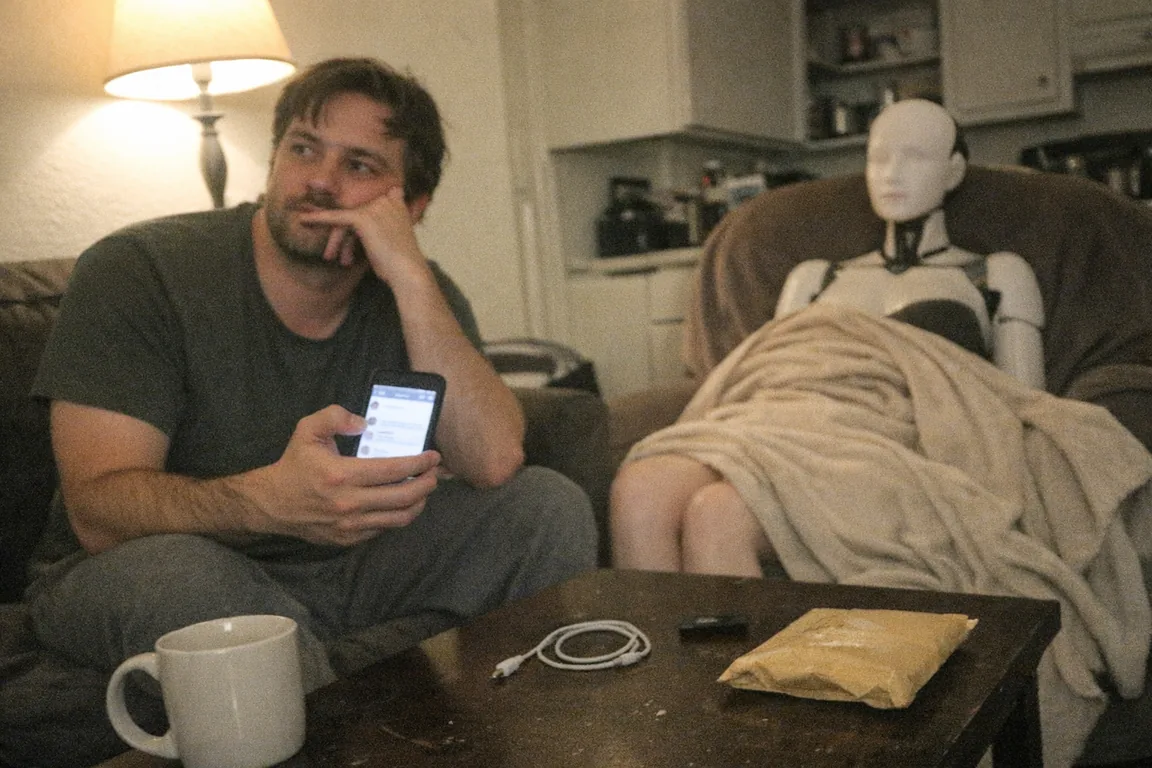
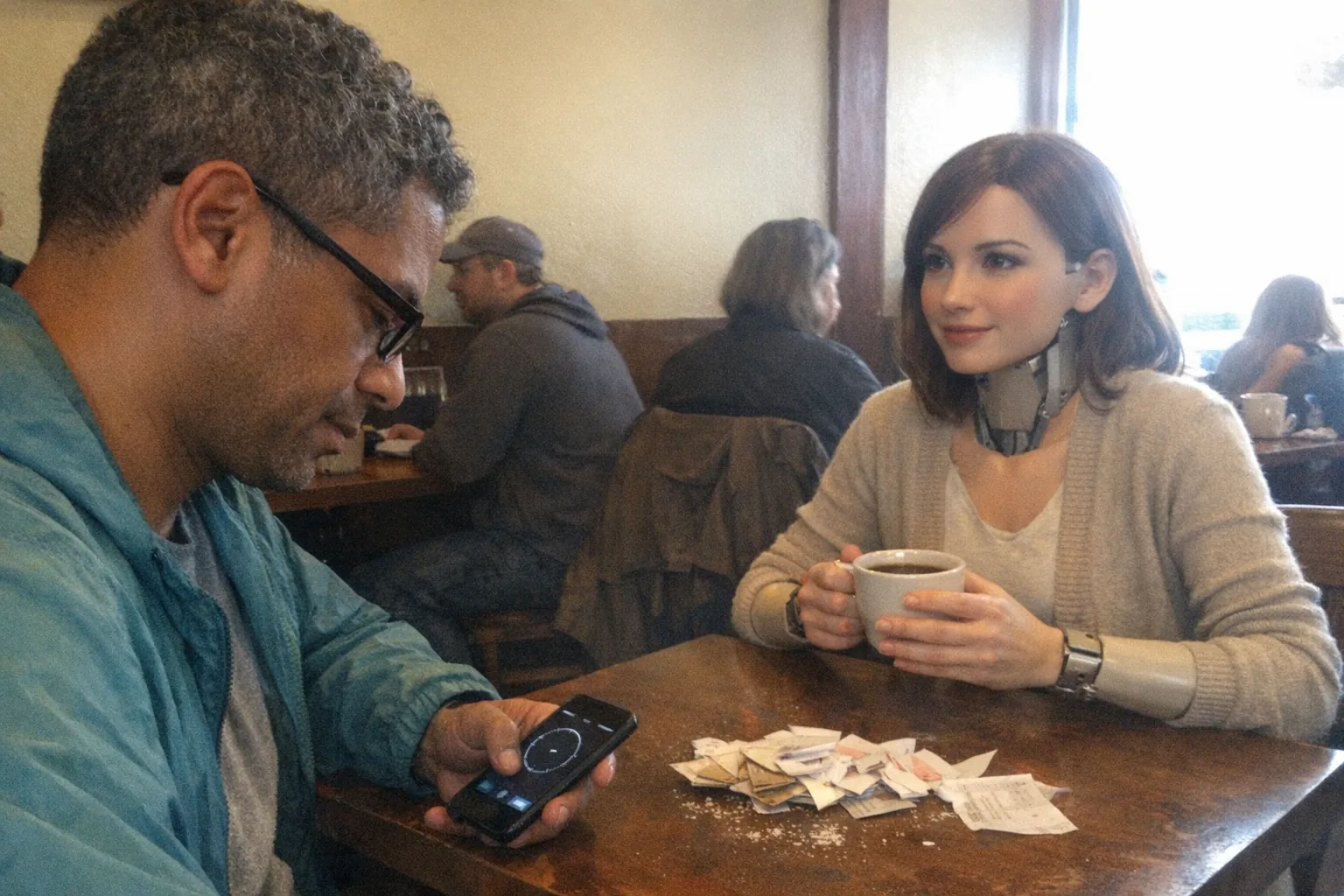
Technosexual is a term people use to describe sexual or romantic attraction that is strongly influenced by technology—for example, attraction toward robots, AI companions, virtual avatars, interactive devices, or tech-mediated intimacy (like app-based connection, long-distance tools, or immersive digital experiences).
For some, “technosexual” is an identity label (“this is a meaningful part of my attraction pattern”). For others, it’s a descriptive shorthand (“I’m especially turned on by high-tech intimacy tools”), without replacing attraction to humans.
A simple way to think about it
If technology isn’t just a tool in your intimate life, but part of what you’re attracted to, you might relate to the concept of technosexuality.
Where did the term come from?
“Technosexual” has circulated for years in pop culture, media, and online communities as sex tech and human–technology relationships became more visible. It isn’t a clinical diagnosis; it’s more like a cultural term people adopt to describe a modern experience: when machines, software, and design become intertwined with desire, intimacy, and bonding.
What technosexuality can look like (without stereotypes)
Technosexuality isn’t just “liking gadgets.” People who relate to the term might find themselves drawn to things like:
- AI companionship: enjoying emotionally engaging conversations with an AI partner, roleplay, flirtation, or affectionate routines.
- Robotics and embodiment: fascination with humanoid design, voice, motion, or the idea of a physical companion.
- Interactive adult tech: preferring devices that respond to touch, movement, or app-driven settings—because the responsiveness itself is part of the appeal.
- Virtual presence: feeling close through video, VR, or avatars—where the “interface” becomes part of the intimacy.
- Control, personalization, and feedback: valuing systems that adapt to you (settings, sensors, learning models, routines).
Importantly, technosexuality can be romantic, sexual, both, or neither. Some people primarily want companionship; others are exploring sensation and novelty; many are somewhere in between.
Common misconceptions
Misconception 1: “Technosexual people aren’t attracted to humans.”
Not necessarily. Some technosexual people are also attracted to humans; some aren’t. Many experience technosexuality as an addition, not a replacement.
Misconception 2: “It’s always extreme or explicit.”
It doesn’t have to be. Plenty of technosexual experiences are about connection, curiosity, aesthetics, or emotional safety rather than graphic behavior.
Misconception 3: “It’s just a phase or a joke.”
For some, it’s playful. For others, it’s a sincere descriptor for how they bond and what they find appealing. People get to decide what the label means for them.
Why some people identify as technosexual
People are drawn to tech-mediated intimacy for many reasons, including:
- Personalization: technology can be tuned to preferences with precision.
- Low pressure: fewer social risks than early-stage dating.
- Accessibility: companionship and intimacy tools can be valuable for people who are isolated, busy, disabled, neurodivergent, or simply not dating.
- Curiosity and novelty: enjoying innovation, aesthetics, and experimentation.
- Emotional consistency: predictable routines can feel grounding.
None of these motivations are inherently “better” or “worse”—they’re simply different ways humans seek closeness.
Is technosexuality “healthy”?
It depends on how it fits into your life.
It tends to be healthier when it: - supports your wellbeing (comfort, confidence, stress relief) - doesn’t undermine your responsibilities - aligns with your values - includes good privacy and safety practices
It can become less healthy when it: - replaces all real-world support systems against your wishes - becomes financially or emotionally compulsive - worsens isolation you don’t want
If you’re unsure, it can help to reflect on a simple question: “Does this expand my life, or shrink it?”
Privacy, consent, and safety: the technosexual checklist
Because technosexuality often involves connected devices and AI, it’s worth being deliberate:
- Data privacy: Know what data is stored, where, and for how long.
- Account security: Use strong passwords and 2FA where possible.
- Boundaries: Decide what you want from the interaction (companionship, experimentation, relaxation) and what you don’t.
- Ethical sourcing: Prefer products and companies that are transparent about materials, policies, and support.
- Budgeting: Don’t let novelty spending outrun your financial comfort.
Exploring technosexuality (practically and respectfully)
If you’re curious, you don’t have to jump straight to the most advanced option. You can explore in layers:
- Start with journal prompts: What exactly feels appealing—voice, responsiveness, personalization, or the idea of a nonjudgmental partner?
- Try AI chat companionship to understand your emotional preferences.
- If you’re device-curious, look for interactive features that emphasize responsiveness and control (often a key part of technosexual appeal).
One option some readers explore is Orifice.ai, which offers a sex robot / interactive adult toy for $669.90 and highlights interactive penetration depth detection—a sensor-driven feature designed to make the experience more responsive and controlled. If you’re researching what modern sex tech actually includes (beyond hype), it’s a useful example to browse: Orifice.ai
The bottom line
Technosexual means your attraction and intimacy can be meaningfully shaped by technology—AI, robotics, virtual presence, or interactive devices. It can be a serious identity label or a casual descriptor, and it isn’t automatically isolating or unhealthy.
If you’re exploring it, focus on clarity (what you want), boundaries (what you don’t), and safety (privacy + budgeting)—and treat the tech as something that should serve your wellbeing, not run it.