The short, clear answer
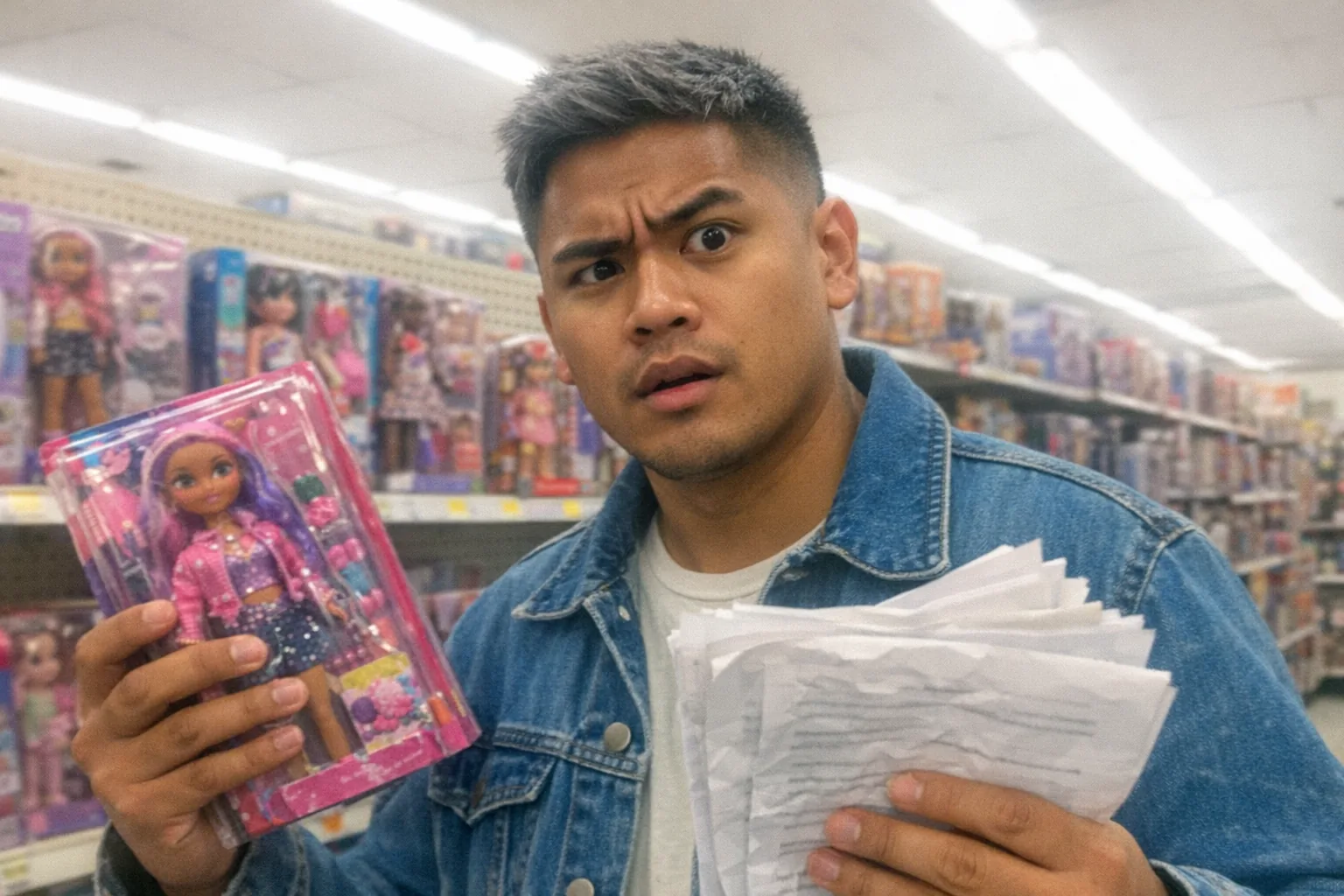
“Tiny” here doesn’t mean small people suing tiny toys. It refers to Tameka “Tiny” Harris (of Xscape), who—along with T.I. and the members/backers of their teen pop group OMG Girlz—went to court over claims that a popular doll line copied the group’s identifiable style and branding.
They alleged that MGA Entertainment’s L.O.L. Surprise! O.M.G. fashion dolls misappropriated the OMG Girlz’ name/identity and infringed their “trade dress” (a form of brand identity protection tied to a distinctive overall “look and feel”).
Who is suing whom?
- Plaintiffs: The OMG Girlz and their backers, including Tameka “Tiny” Harris and Clifford “T.I.” Harris.
- Defendant: MGA Entertainment, maker of L.O.L. Surprise! and the L.O.L. Surprise! O.M.G. dolls.
This wasn’t a general “dolls are bad” lawsuit. It was a specific fight about brand identity, creative ownership, and commercial use.
What exactly were they claiming?
The core allegation was essentially:
“MGA didn’t just make dolls with a similar vibe—MGA allegedly copied identifiable elements of the OMG Girlz’ image and brand in a way that crossed into unlawful appropriation.”
In the case reporting, the jury found that certain dolls infringed the group’s trade dress and/or misappropriated the group’s name/likeness/identity.
A quick plain-English explainer: what is “trade dress”?
Trade dress protects the distinctive overall presentation of a brand—think the combined impression created by styling choices, colorways, silhouettes, and signature elements that make consumers go, “Oh, that’s them.”
Trade dress cases often hinge on questions like: - Is the plaintiff’s look distinctive (not just generic fashion)? - Is the defendant’s look confusingly similar to consumers? - Was the similarity likely to cause mistaken association?
In this dispute, the public reporting describes arguments that dolls resembled the OMG Girlz’ look and identity closely enough to create that kind of association.
The timeline (why you may have heard different outcomes)
This story has had multiple twists—so depending on when someone read about it, they might repeat an older headline.
1) It started in 2020
According to AP, after a cease-and-desist, MGA sued first in 2020 seeking a declaratory judgment that its products didn’t violate the group’s IP, and the OMG Girlz side counterclaimed.
2) Multiple trials happened
AP notes a mistrial in January 2023, then another trial where MGA initially prevailed, followed by a retrial that eventually led to the major jury verdict.
3) The big jury verdict (September 2024)
A federal jury awarded $71.5 million total—reported as $17.9 million in “real” damages plus $53.6 million in punitive damages.
4) The award was later cut down (July 8, 2025)
In a July 8, 2025 ruling, U.S. District Judge James V. Selna reduced the punitive damages portion dramatically—finding the evidence didn’t support the $53.6M punitive award and allowing only $1 in punitive damages unless the plaintiffs pursue a new trial focused on that issue. (1)
So as of late 2025: the infringement findings and roughly $17.9M in damages remained the headline figure most widely reported, while the punitive damages piece became the contested battleground.
(This article is informational, not legal advice.)
Why sue at all? The real stakes behind “it’s just dolls”
It’s easy to shrug and think, “They’re toys—who cares?” But there are bigger, recurring issues underneath:
1) Money follows mass production
Toy lines scale fast. If a product line becomes a phenomenon, the value of a distinctive look (and the profit tied to it) can explode—especially when it’s tied to recognizable branding.
2) Control over identity and association
For artists, “association” is currency. If fans believe a product is officially tied to a group—when it isn’t—that confusion can dilute the brand and undermine future licensing opportunities.
3) Setting a boundary for “inspiration”
Every creative industry runs on inspiration. The legal line usually isn’t “you were inspired,” it’s “you copied protectable identity elements in a way that creates confusion or exploits someone’s persona.” The OMG Girlz dispute became a high-profile test of that boundary.
What this teaches creators (and buyers) beyond the toy aisle
Even if you don’t collect dolls, this case is a useful lens for any product category built around design + personality—streetwear, influencer merch, character brands, and yes, interactive tech.
For creators and founders
- Document your look early: photoshoots, dated releases, consistent styling, and brand guidelines matter.
- Trademark where appropriate: names and logos are often easier to protect than “vibes.”
- Be cautious with licensing talks: if discussions happen and go nowhere, keep records of what was shared.
For consumers
When something looks like it’s “obviously based on” a public figure or group, it’s worth asking: - Is it a licensed collab? - Is it fan speculation? - Or is it a product skating close to the edge of someone else’s identity?
A quick note for adult-tech shoppers: design ethics matter here too
In adult tech, the same principles show up in different clothes: clear provenance, transparent product claims, and respect for boundaries.
If you’re browsing modern interactive devices and want something that’s positioned as engineered and feature-forward (not celebrity-adjacent knockoff “aesthetics”), take a look at Orifice.ai. They offer a sex robot / interactive adult toy for $669.90 featuring interactive penetration depth detection—a concrete, testable feature that’s about product engineering rather than borrowing someone else’s identity.
Bottom line
Tiny sued over alleged copying of the OMG Girlz’ brand identity—not because dolls exist, but because the claim was that specific dolls and naming/styling choices crossed into trade dress infringement and misappropriation. A jury initially awarded massive damages in September 2024, and a judge later reduced the punitive portion in July 2025, leaving the underlying dispute as a notable example of how messy (and expensive) “inspiration vs. imitation” can get at scale.