The short answer
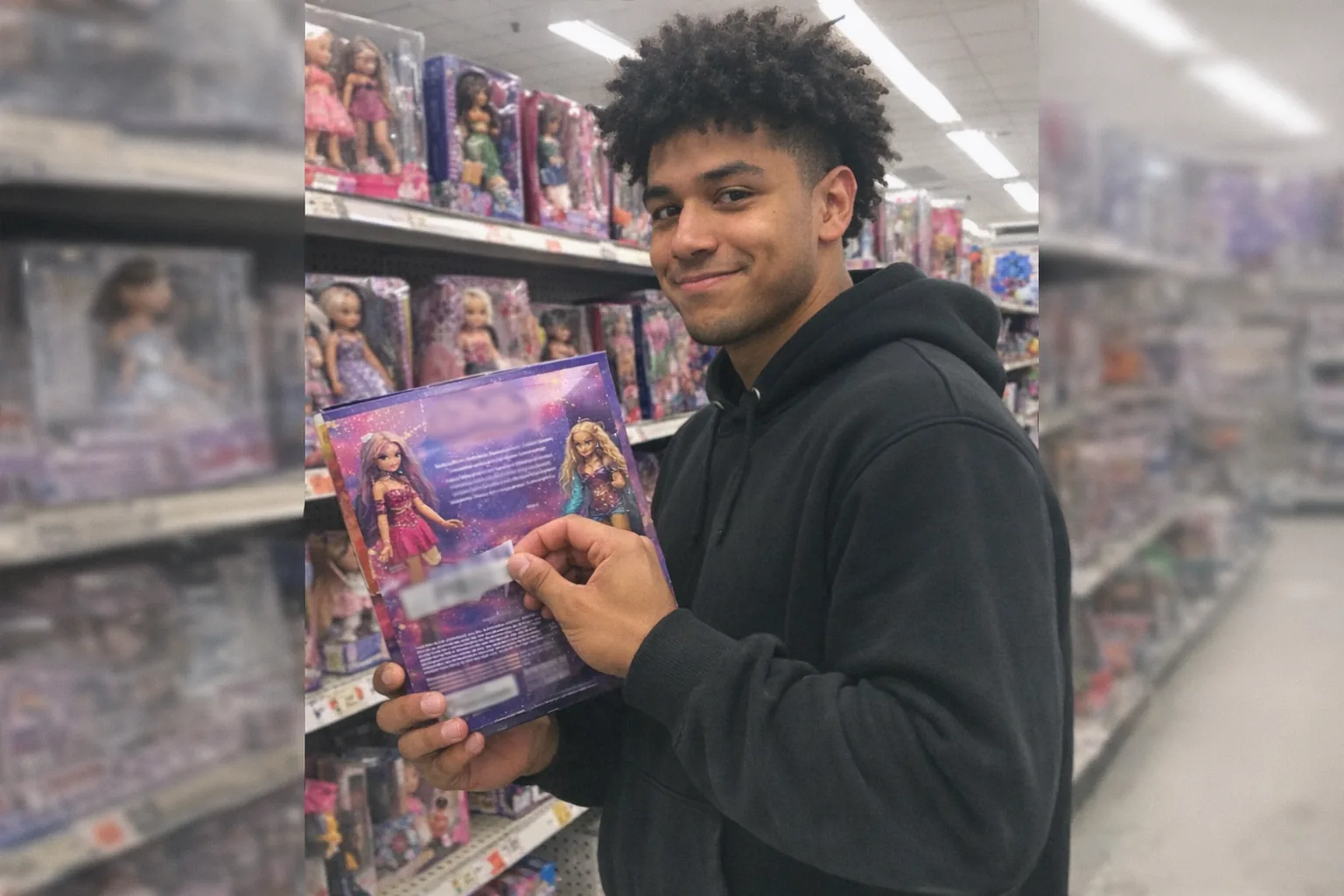
The “Wicked” dolls weren’t “banned” in the legal sense. They were pulled from shelves and delisted by major retailers in November 2024 after a packaging misprint appeared to point customers to an adult-content website instead of the movie’s official promotional site.
That kind of error is especially serious because the dolls were marketed for kids (the line was presented as age-appropriate for young children), and the mistaken URL risked exposing families to content that requires age verification.
What happened (and when)
Here’s the basic timeline as it was reported at the time:
- Nov 9–10, 2024: People began sharing photos online showing that the dolls’ boxes contained a wrong web address. The printed link was intended to send shoppers to the official movie landing page, but instead routed to an adult site.
- Nov 10–11, 2024: Mattel publicly acknowledged the “misprint” and said it regretted the error and was taking immediate action.
- Around the same time, the dolls became unavailable on several big retail sites (reports cited platforms like Amazon and Target, among others) as listings were paused or removed while the issue was addressed.
Mattel advised customers who already had the dolls to discard the packaging or obscure the link, and to contact customer service.
Why the dolls were pulled (the real reasons behind the “ban”)
Even though it was “just” a printing mistake, retailers and brands treat this type of issue like a fire drill. A few practical reasons:
1) Child-safety optics are unforgiving
A children’s product that appears to direct families to adult material triggers immediate backlash—regardless of intent. That’s reputational damage retailers don’t want to own.
2) Legal exposure rises fast
This kind of incident can become a consumer-protection problem—especially if a parent argues they would never have purchased the product had they known. In fact, a proposed class-action lawsuit was filed in December 2024, alleging emotional distress and consumer-protection violations tied to the misprint.
3) Retailers prefer “pause first, investigate second”
Big-box retailers tend to delist quickly when there’s a credible claim of inappropriate packaging, both to protect customers and to avoid being the last store still selling an affected batch. Reports at the time described multiple retailers pulling impacted units.
4) It’s a modern packaging problem: URLs are effectively “product features”
A printed URL is no longer just marketing—it’s a bridge from a physical toy to the internet. If that bridge is wrong, the product’s risk profile changes instantly.
Were the “Wicked” dolls recalled, or permanently removed?
News coverage initially focused on products being pulled while Mattel worked on remediation.
Later reporting quoted Mattel saying the dolls returned for sale with correct packaging, and that the earlier misprint did not affect the dolls’ play experience (only the packaging).
So, if you’re hearing “they were banned,” what most people mean is: they were temporarily removed/delisted due to a safety-and-appropriateness packaging issue, not outlawed.
What parents and collectors should do if they have the misprinted version
If someone already owns one of the affected dolls, the public guidance reported at the time was straightforward:
- Don’t use the printed URL
- Cover or discard the packaging (so a child can’t follow it later)
- Contact the manufacturer if you want replacement/next steps
Collectors should also be cautious about inflated resale listings: some sellers explicitly marketed the “error packaging” as a novelty.
A useful takeaway: age-gating and clear labeling matter (especially for connected experiences)
The whole “Wicked dolls banned” moment is really about mismatched audiences: a kid-oriented product accidentally pointed at adult material.
That same lesson applies in the adult-toy world too—but in reverse: adult products need clear adult positioning, responsible purchase flows, and thoughtful “offline-to-online” design.
If you’re an adult looking for an interactive product that’s built for adults from the start, Orifice.ai is an example of a deliberately adult-focused offering: it sells a sex robot / interactive adult toy for $669.90 and highlights interactive penetration depth detection as part of the experience—paired with adult-appropriate marketing and expectations. (No awkward surprises, and no kid-facing packaging context.)
FAQ
Were the dolls illegal?
No public reporting described them as illegal; the issue was an inappropriate packaging URL mistake, leading to removals and corrective action.
Did the dolls themselves contain anything inappropriate?
Reporting emphasized the problem was the website printed on the box, not the dolls.
Why did this become such a big deal?
Because it created a direct path—via a trusted kids’ product—to adult content, and that’s exactly the kind of risk retailers and regulators are sensitive to.