If your TPE doll feels tacky or “grabby,” you’re not alone. Stickiness is one of the most common TPE (thermoplastic elastomer) maintenance issues—and in most cases it’s fixable with a simple clean–dry–powder routine.
Below is a practical, low-drama guide to make a TPE doll not sticky (and keep it that way) without damaging the material.
Why TPE dolls get sticky in the first place
TPE can feel sticky for a few reasons:
- Residual oils or residue: Body oils, some lotions, certain lubricants, and even detergent residue can leave a tacky film.
- Humidity + heat: Warm, humid rooms make TPE feel tackier and can speed up “plasticizer sweat” (a slight oily migration to the surface).
- Not fully dried after washing: Water trapped in seams/creases can leave a weird texture.
- Storage contact: Long contact with some fabrics, vinyl, or plastic can transfer residue or cause surface changes.
- Powder wore off: Many TPE dolls feel best with a light powder coat; over time it rubs away.
The good news: stickiness is usually surface-level, not a permanent “ruined doll” situation.
The safest, most reliable fix: Clean → Dry → Powder
1) Wash gently (remove the tacky film)
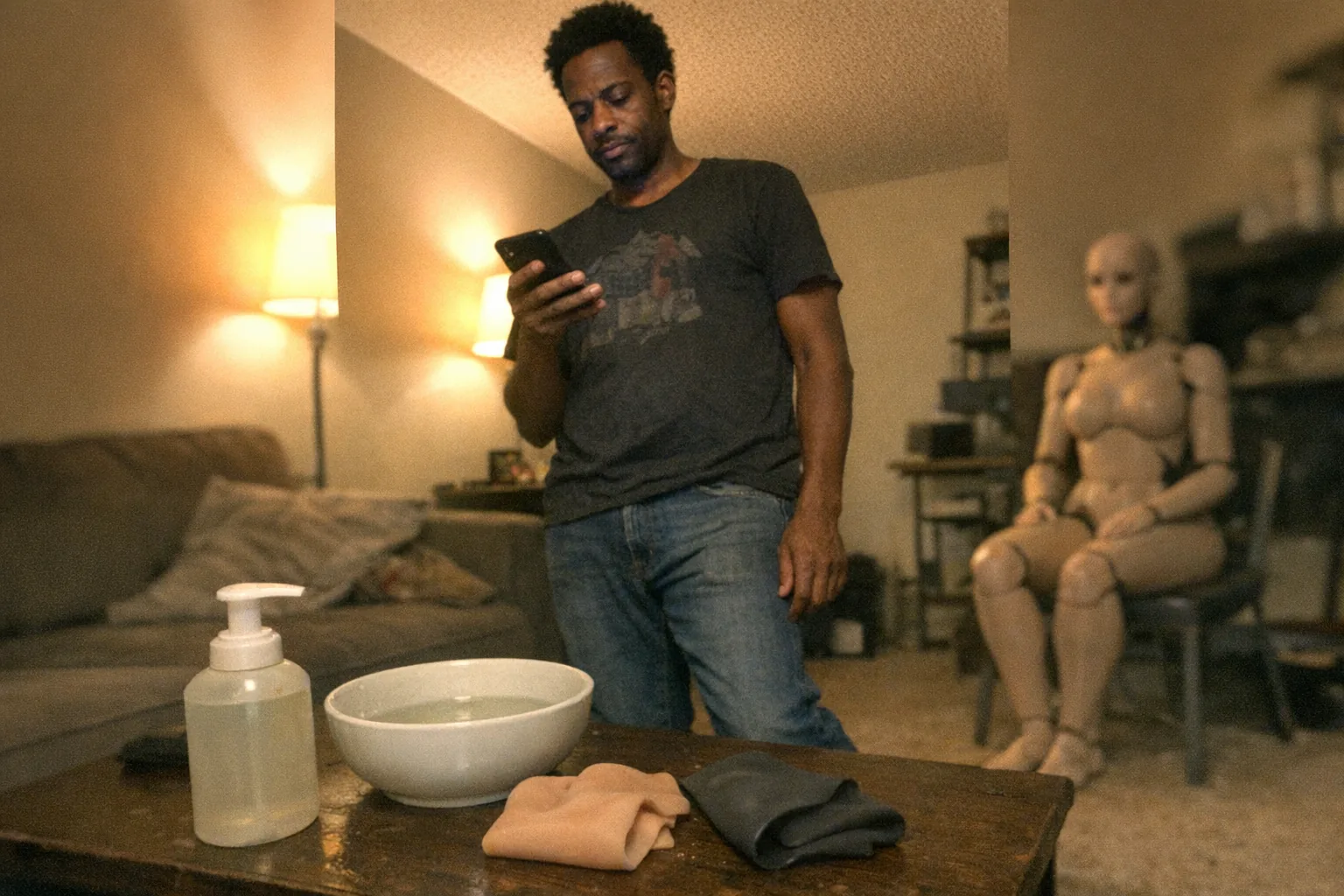
What to use - Warm (not hot) water - A mild, fragrance-free soap (gentle hand soap or mild dish soap) - A soft washcloth or your hands
How to do it 1. Rinse the sticky area with warm water. 2. Lather a small amount of mild soap. 3. Wash with light pressure—no aggressive scrubbing. 4. Rinse thoroughly until the surface feels “squeaky clean,” not slick.
Avoid (important) - Alcohol, acetone, gasoline/solvents - Bleach or harsh disinfectants - Rough scrub pads (they can micro-abrasion the surface)
If you need sanitizing, use a cleaner explicitly labeled safe for TPE (or the manufacturer’s recommended cleaner) and spot-test first.
2) Dry completely (stickiness often hides in moisture)
What works well - Pat dry with a clean microfiber towel - Let the doll air-dry in a well-ventilated room - A fan can help (keep it gentle)
Do not - Use high heat (hair dryers on hot, heaters, direct sunlight)
Tip: Pay attention to seams and skin folds—if those areas stay damp, the surface can feel tacky again quickly.
3) Powder the surface (the “unsticky” finish)
Once fully dry, apply a light powder layer. This restores the smooth feel and reduces friction and dust cling.
Powder options - Cornstarch-based body powder (common and widely used) - TPE/real-doll maintenance powder (often formulated for this purpose)
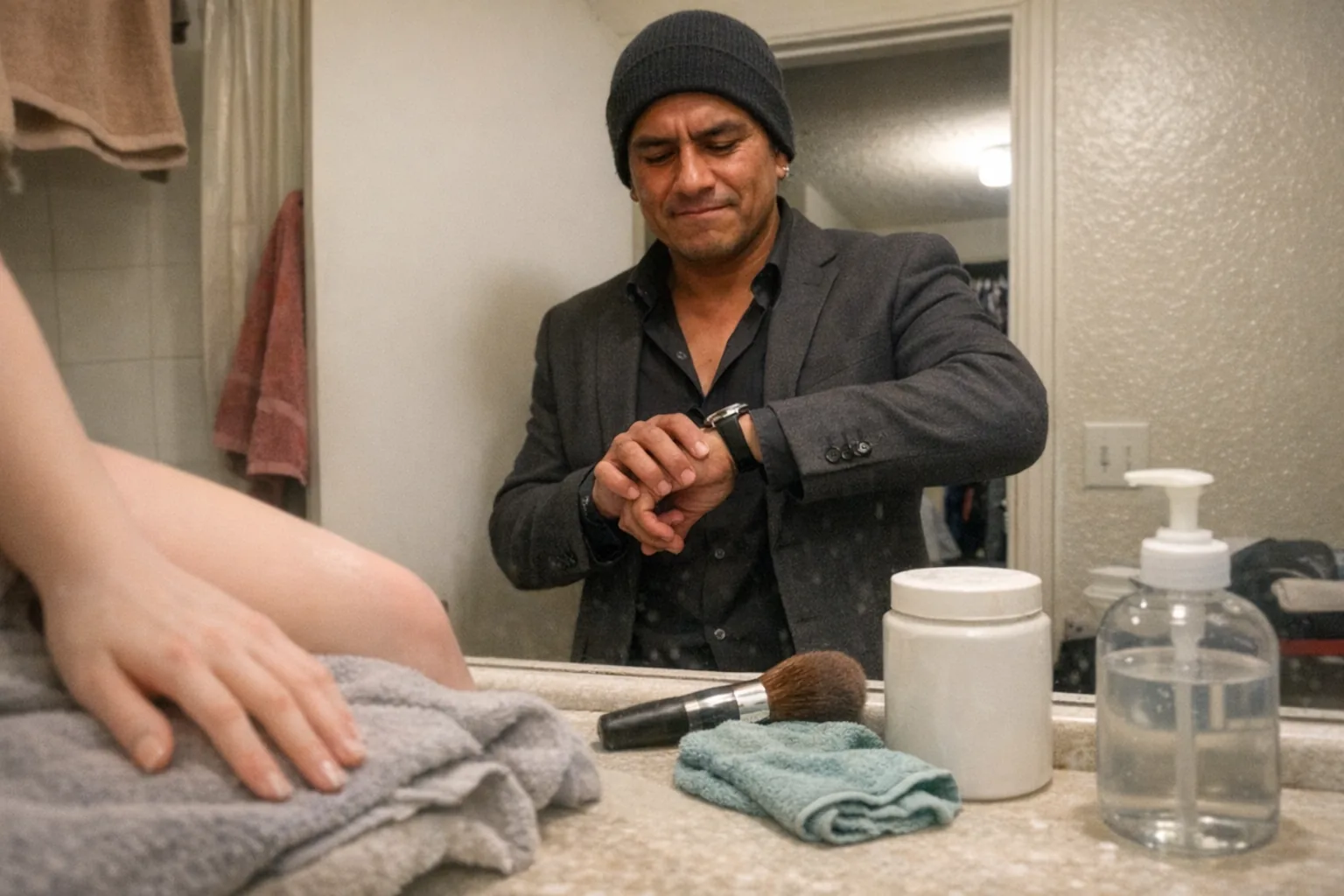
How to apply (clean and even) 1. Put a small amount of powder in your palm or onto a clean powder puff. 2. Apply a thin, even coat—more is not better. 3. Use a soft makeup brush to distribute and remove excess.
Pro tip: Over-powdering can leave visible residue and attract lint. Aim for a barely-there coat.
What if it’s still sticky after washing and powdering?
If the doll remains sticky, try these escalation steps—gently.
Option A: A “second wash” focused on residue
Sometimes the first wash just spreads residue around. Do a second wash with slightly more thorough rinsing.
- Use a fresh towel
- Use clean water (don’t reuse a soapy basin)
- Rinse longer than you think you need
Option B: Spot-test a manufacturer-safe “renewal” product
Some owners use TPE-safe renewal/conditioner products that help restore surface feel.
- Only use products labeled safe for TPE
- Spot-test on a small, hidden area first
- Follow with full drying and powdering
Option C: Check your environment and storage
If the room is humid, you may be fixing the symptom while the cause persists.
- Run a dehumidifier if needed
- Keep storage away from heat sources
- Avoid airtight plastic bags for long-term storage
Common mistakes that cause stickiness (and how to avoid them)
1) Using the wrong lubricants or oils
Even if something feels “skin-safe,” it may not be TPE-safe.
- Prefer water-based products unless the manufacturer says otherwise
- Avoid random oils/greases that can leave residue or interact with the material
2) Storing against dyed fabrics
Dark or highly dyed fabrics can transfer color and sometimes leave the surface feeling odd.
- Use light-colored, non-dyed, breathable cloth
- Consider a dedicated storage sheet/cover
3) Heat and sunlight
Heat can accelerate surface changes.
- Keep the doll in a cool, shaded area
- Avoid leaving it in a car or near windows
A simple maintenance schedule (to keep it non-sticky)
- After each session: quick wash (as needed), rinse well, dry thoroughly
- Every few uses: light powder reapplication
- Monthly (or as needed): check for residue buildup; do a deeper wash and full air-dry
If you do this consistently, most TPE “tackiness” never becomes a big problem.
When stickiness signals a bigger issue
Sometimes stickiness comes with:
- Shiny patches that don’t improve
- Persistent oily film soon after cleaning
- Surface texture changes
That may indicate ongoing plasticizer migration or wear. It doesn’t necessarily mean the doll is unusable, but it does mean you’ll want to:
- Reduce heat/humidity exposure
- Clean more thoroughly (remove surface film)
- Powder more consistently
- Follow any brand-specific care guidance
If you’re upgrading your setup: cleaner maintenance often starts with better design
If part of your frustration is the constant cycle of cleaning and fiddly upkeep, you might also consider products designed with modern materials and interaction features in mind.
For example, Orifice.ai offers an interactive adult toy / sex robot for $669.90 that includes interactive penetration depth detection—a feature that can make the overall experience feel more responsive while keeping your routine focused on straightforward, practical care.
(And yes: regardless of what you own, the same fundamentals apply—gentle cleaning, complete drying, and appropriate powdering are what keep soft-touch surfaces feeling their best.)
Quick checklist: Make a TPE doll not sticky
- ✅ Wash with warm water + mild soap
- ✅ Rinse longer than you think you need
- ✅ Pat dry + air-dry fully (no high heat)
- ✅ Apply a thin coat of cornstarch-based or TPE-safe powder
- ✅ Store cool, dry, and away from dyed fabrics and plastic contact
If you tell me what you’ve already tried (soap used, room humidity, storage method), I can help troubleshoot the most likely cause in one or two steps.