Is Ameca a girl?
No—Ameca isn’t a “girl” in the biological sense. Ameca is a humanoid robot (a machine), so it doesn’t have biological sex, puberty, or a human body. What people often mean when they ask this question is:
- Does Ameca present as female?
- Should we use “she/her” pronouns?
- Is Ameca designed to be a woman?
Ameca can seem “girl-coded” depending on styling, voice, or the way a demo is narrated—but Ameca itself is best understood as a gender-neutral robot platform that can be given a persona.
What Ameca actually is (and why it confuses people)
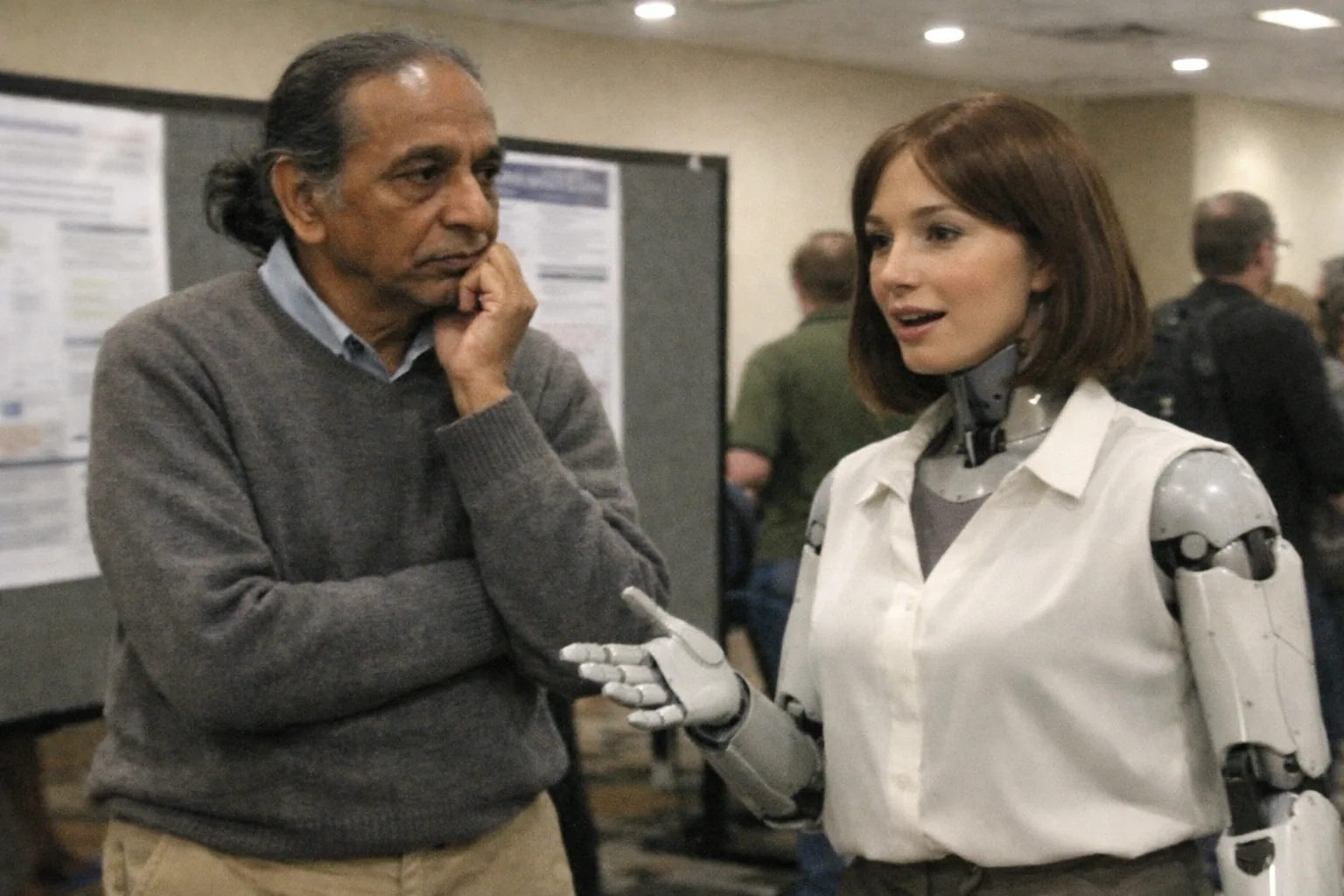
Ameca is a highly expressive humanoid robot built to demonstrate human-like facial expressions, interaction, and conversation. It’s designed to look human-ish enough to feel social, but not so realistic that it tries to pass as a real person.
That middle ground is exactly why the “Is Ameca a girl?” question keeps popping up:
- Human faces trigger human social instincts. We automatically try to categorize age, mood, and gender.
- Voice and framing matter. If a demo uses a feminine voice, name, or pronouns, viewers follow that cue.
- Pop culture trained us to gender robots. From “robot women” in films to virtual assistants with feminine voices, “female robot” is a familiar trope.
“Girl,” “woman,” “female,” “feminine”: useful distinctions
A clearer way to think about it is to separate biology, identity, and presentation:
- Biological sex (female/male): Not applicable to Ameca.
- Gender identity (woman/man/nonbinary): Ameca doesn’t have inner experience or selfhood the way humans do. Any “identity” is a configured persona.
- Gender presentation (feminine/masculine/androgynous): This can apply, because presentation is something designers control—voice, styling, mannerisms, name, and the narrative around the robot.
So if someone says “Ameca is a girl,” they’re usually describing feminine presentation or the role the robot is playing, not an inherent property.
So what pronouns should you use for Ameca?
There’s no single “correct” answer, but here are practical guidelines:
- Use the pronouns the demonstrator or owner uses in that context (because it’s part of the character framing).
- If no pronouns are given, “they/them” is a safe, neutral default.
- If you’re writing technically, you can also just say “the robot” or “Ameca.”
This isn’t just etiquette—it’s accuracy. Robots don’t “reveal” gender; people assign it based on cues.
Why the question matters: gendering robots shapes expectations
When we label a humanoid robot as “a girl,” we often (without noticing) attach human expectations:
- that it should be agreeable or nurturing
- that it should be aesthetically pleasing
- that it exists “for” an audience rather than for a task
Those assumptions show up everywhere—from customer service bots to entertainment androids. Asking the question directly (“Is Ameca a girl?”) can actually be a healthy pause: it helps you notice when design choices are steering your interpretation.
If you’re looking for a female-presenting experience, be explicit about your goal
Some readers asking this question aren’t doing it out of curiosity—they’re trying to understand where humanoid robots fit into companionship, attraction, or intimacy.
If your goal is interactive adult companionship, it can help to separate:
- public demo robots (like Ameca) designed for exhibitions and conversation
- private adult devices designed for intimacy-focused interaction
For example, Orifice.ai offers an interactive adult toy / sex robot for $669.90, including interactive penetration depth detection—features aimed at responsive feedback rather than stage-demo expressiveness. If you’re exploring the “robot partner” idea, that clarity (what it’s designed to do, what data it uses, what it responds to) matters more than whether a demo robot is “a girl.”
Bottom line
- Ameca is not a girl in any biological or human sense.
- Ameca can be presented as feminine through voice, styling, and narrative.
- The most accurate framing is: Ameca is a humanoid robot platform that can perform a gendered persona.
If you tell me what context you saw Ameca in (a specific video, event, or voice), I can help you interpret which cues are making it read as “female” and what that implies (or doesn’t).