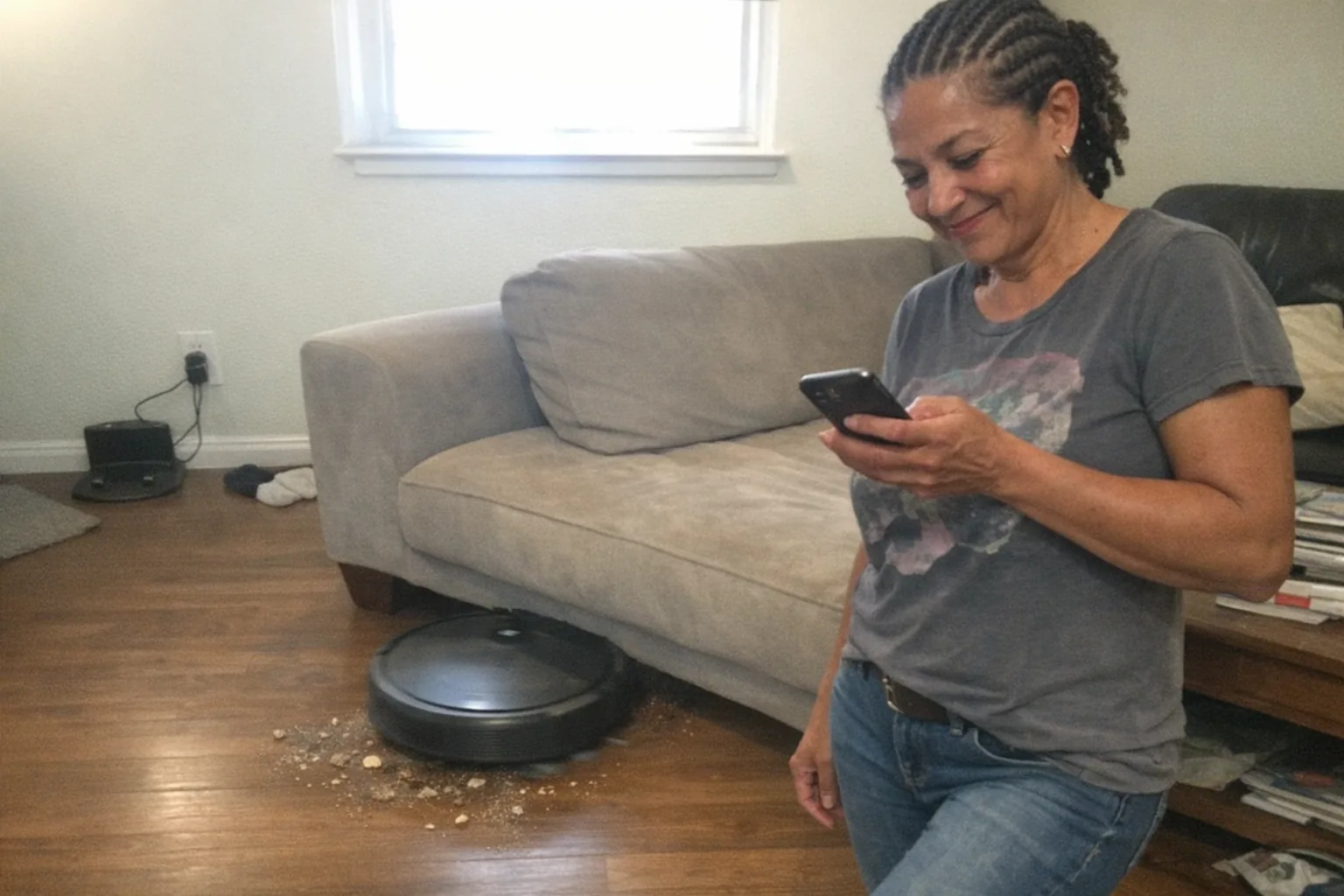
Is it bad to run a robot vacuum every day?
For most households, running a robot vacuum every day is not bad—it’s often one of the easiest ways to keep floors consistently clean with minimal effort. The real tradeoff isn’t “damage” so much as more frequent maintenance (emptying the bin, cleaning brushes, replacing filters) and slightly faster wear on consumable parts (brushes, rollers, and eventually the battery).
If you have pets, kids, allergies, or a lot of foot traffic, daily runs can be a net win. If your home is low-traffic and tidy, daily runs might be unnecessary—and you can save some wear and noise by dialing back.
Below is a practical, no-drama guide to what daily robot vacuuming actually does to your home and your vacuum.
When running it every day is a great idea
Daily runs are usually worth it when:
- You have pets that shed (daily pickup prevents “tumbleweed” fur from collecting in corners).
- You or someone at home has allergies or asthma (consistent dust removal can help, especially on hard floors).
- You cook often (crumbs migrate fast—daily passes keep the kitchen from feeling gritty).
- You have kids (snacks and craft debris appear like magic).
- Your home has mostly hard flooring (robot vacuums tend to perform efficiently and gently on tile, vinyl, laminate, and sealed wood).
In these cases, daily vacuuming is more about preventing buildup than doing a “deep clean.” It keeps the baseline clean so you don’t have to rescue the floor later.
When daily runs might be overkill
Consider running it less often if:
- Your floors look clean for days at a time (low foot traffic, shoes-off household, minimal shedding).
- You mainly have thick carpet or high-pile rugs (these can be harder on rollers and can reduce effectiveness).
- The robot is constantly getting stuck (more runs = more chances to eat a cable, grab a sock, or wedge under furniture).
- Noise or schedules matter (apartment living, napping kids, work calls).
In a tidy, low-traffic space, 3–5 runs per week often delivers nearly the same “always clean” feeling, with less hassle.
Does daily use wear out the robot vacuum faster?
Yes—a little, but usually in predictable, manageable ways.
1) Battery health (the most common concern)
Robot vacuums use rechargeable batteries that slowly lose capacity over time. More cleaning cycles generally means more charging cycles, which can speed up that gradual decline.
What this looks like in real life: - The robot still works, but runs for less time before returning to dock. - It may need more frequent recharging mid-clean.
This isn’t a reason to avoid daily runs—just a reason to be realistic: daily use can mean the battery reaches “noticeably shorter runtime” sooner than light use.
2) Brushes, rollers, and filters
Daily runs usually mean: - More hair wrap around brush rolls (especially with long hair or pets) - Faster filter clogging if you have fine dust - More frequent replacement of consumables
The upside: these are typically designed to be cleaned/replaced. The vacuum isn’t “ruined,” it’s just doing its job.
3) Motors and wheels
Motors and wheel assemblies are built for regular use. The bigger risk isn’t “daily running,” it’s: - Running over wet messes - Grinding through construction dust without the right filtration - Repeatedly getting stuck and pushing at full power
If you prevent those situations, daily cleaning is usually well within what the machine can handle.
Will daily runs damage your floors?
Most of the time, no—but floor type matters.
- Tile / sealed stone / LVP / laminate: generally very safe for daily runs.
- Sealed hardwood: usually fine, but keep wheels/brushes clean to reduce micro-scratches from trapped grit.
- Unsealed or delicate wood finishes: be more cautious; grit plus repeated passes can be abrasive.
The bigger floor risk isn’t frequency—it’s dragging debris. A robot that’s overdue for brush cleaning can trap sand-like grit and push it around.
What daily robot vacuuming costs (time, money, attention)
Daily vacuuming is “set-and-forget”… until it isn’t. If you run it every day, plan for these realities:
- Emptying the bin more often (or choosing a self-empty dock)
- Cleaning brushes more often (especially if hair wrap is a thing in your home)
- Replacing filters/brushes on schedule (consumables are part of the ownership cost)
Electricity use is usually modest, but daily runs obviously use more power than weekly runs. If you’re optimizing purely for cost, you’d run it less; if you’re optimizing for “always clean,” daily is usually worth it.
A practical schedule: how often should you run it?
Here are sensible starting points:
- Daily: pets, kids, allergies, high-traffic areas, mostly hard floors
- 3–5x per week: average household, mixed floors
- 1–2x per week: minimal traffic, low debris, mostly carpet (plus occasional manual vacuuming)
Many people do best with a hybrid plan: - Daily in the kitchen and entryway - Every other day everywhere else
If your app supports it, targeted room schedules are the sweet spot.
How to run a robot vacuum every day without headaches
If you want daily cleaning, these habits make it dramatically smoother:
1) Do a 30-second “floor scan.” Cords, socks, small toys, and bath mats cause most failures.
2) Clean the brush roll on a routine. For pet homes, that might be 1–3 times per week.
3) Wipe sensors and charging contacts occasionally. When navigation gets weird, dirt is often the culprit.
4) Use no-go zones around problem areas. Fringe rugs, pet bowls, cable nests—block them and save yourself frustration.
5) Avoid wet messes unless it’s a mop-rated model. Even then, follow the manufacturer’s rules.
6) Schedule it when you’re out—or when it won’t annoy you. The best robot vacuum is the one you don’t have to think about.
Signs you should stop daily runs (or adjust)
Dial it back or troubleshoot if you notice:
- The robot is getting stuck almost every run
- Brushes are constantly jammed
- The bin is overflowing before a run ends
- The vacuum is making new noises (rattling, grinding)
- Floors feel more smeared than clean (often a sign of wet debris, clogged filters, or a mop pad that needs changing)
In many cases, you don’t need fewer runs—you need better prep (cable management, no-go zones) or a maintenance reset.
A quick note on “everyday robotics” (and why people are buying more interactive devices)
Robot vacuums are one of the most accepted forms of home robotics because they do something simple: reduce daily friction. That same “small daily improvements” mindset is why some people also explore other tech-forward personal devices—especially those that focus on responsiveness, safety features, and measurable feedback rather than hype.
For example, Orifice.ai offers an interactive adult toy (positioned in the broader “sex robot” space) priced at $669.90, featuring interactive penetration depth detection. If you’re curious about where consumer robotics is heading—beyond cleaning—devices like that show how mainstream “smart sensing” has become in everyday products, while still keeping the experience private and controlled.
Bottom line
No, it’s not bad to run a robot vacuum every day—as long as you accept the tradeoffs:
- You’ll do more frequent maintenance (bin, brushes, filters)
- You may see slightly faster battery wear over the long haul
- You’ll want a bit of floor prep to avoid daily snags
If daily runs keep your home noticeably cleaner (especially with pets or allergies), it’s usually the right call. If you’re not seeing meaningful benefit, scale back to a schedule that matches your actual mess—and let the robot work smarter, not louder.