What is the 3000 dollar robot?
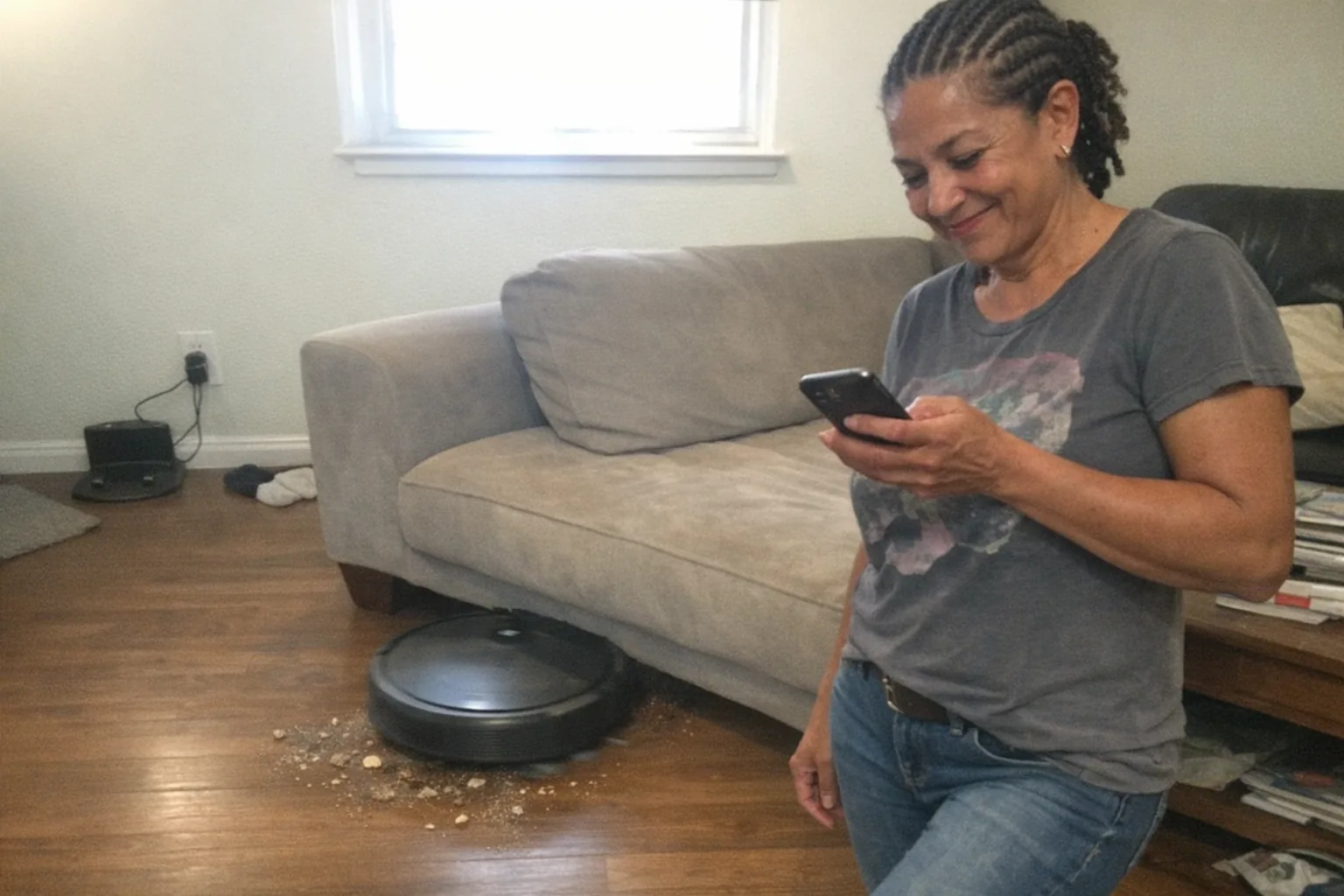
When someone says “the $3,000 robot,” they’re usually not talking about one single, famous product. It’s a price bracket—and it most often points to one of two things:
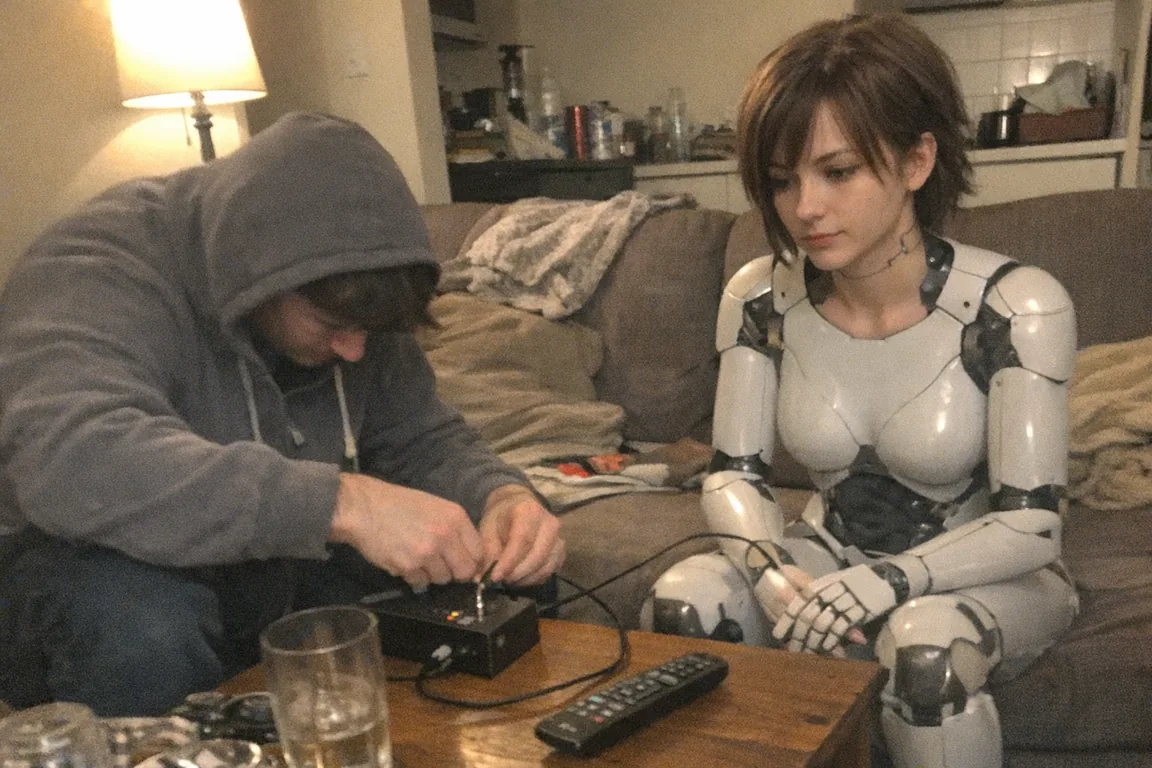
- Consumer “companion” / adult robots that blend a body (often a doll-like form) with basic electronics—voice, heat, limited movement, app control, simple “AI chat,” etc.
- Mainstream home robots (like premium robot vacuums, lawn-mowing robots, telepresence bots, or hobby humanoid kits) that happen to land around $3,000.
In other words: the “$3,000 robot” is commonly shorthand for a mid-tier personal robot purchase—expensive enough to feel futuristic, but usually not advanced enough to be truly humanlike.
What people usually mean in adult-tech conversations
In adult-tech and “robot companion” contexts, a $3,000 budget typically buys a product that aims to deliver presence and interaction more than true robotics.
Typical characteristics at this price
- A physical body (often silicone/TPE-like materials) with a realistic look and weight
- Limited motors (for small movements like head/arm motion, posture changes, or facial movement in some models)
- Heat features (sometimes)
- Basic voice interaction (wake words, canned responses, or app-driven speech)
- App control for settings and “modes”
- Simple chat/AI features (often closer to scripted conversation than a deeply intelligent assistant)
What it usually does not include
- Reliable walking, household chores, or complex mobility
- High-end, natural conversation across any topic (without awkward failures)
- Strong long-term software support (updates can be limited)
- Robust privacy practices (varies widely)
A good mental model: many $3,000 “robots” are closer to an interactive device with a body than a general-purpose robot.
Why does a “$3,000 robot” cost that much?
Even when the intelligence is limited, costs add up fast:
- Materials and manufacturing (molds, skin materials, skeleton/frame)
- Shipping and packaging (large, heavy products are expensive to ship)
- Embedded electronics (motors, heating elements, sensors, speakers)
- App development and ongoing support (sometimes included, sometimes not)
- Low-volume production (robotic/companion products are rarely mass-produced like phones)
The price is often driven more by physical build + logistics than by cutting-edge AI.
The other meaning: a non-adult “$3,000 robot”
If you heard “$3,000 robot” in a general tech context, it might refer to:
- A premium robot vacuum + mop combo
- A robot lawn mower
- A telepresence robot for remote meetings
- A humanoid kit for research/education
- A warehouse-style robot (used/refurbished niche products)
Those products are “robots” in the practical sense—sensors, autonomy, mapping—without any companionship angle.
What you can realistically expect at $3,000 (and what to watch out for)
A reasonable expectation
- A tangible, physical product with some interactive features
- A “wow” factor at first impression
- A set of features that work best in controlled scenarios (quiet room, stable Wi‑Fi/Bluetooth, supported phone OS)
Common pain points buyers report in this tier
- App instability or confusing setup
- “AI” that feels scripted or inconsistent
- Repair difficulty (specialized parts, unclear warranty processes)
- Privacy ambiguity (microphones, cloud services, unclear data retention)
A smarter way to think about the purchase: pay for the experience you’ll actually use
Instead of buying a “robot” label, decide what matters most:
- Physical interactivity (sensing, responsiveness)
- Conversation/companionship (voice + personality)
- Reliability and support (warranty, replacement parts)
- Privacy and local control (how much data leaves your device)
- Total cost of ownership (shipping, accessories, subscriptions)
A lot of people discover they don’t need “full robotics” to get the interactive experience they wanted.
Where Orifice.ai fits in (and why the price difference matters)
If what you’re really looking for is a highly interactive adult toy experience—not an expensive body with limited robotics—it can be smarter to choose a purpose-built device that focuses on responsive interaction.
For example, Orifice.ai offers an interactive adult toy priced at $669.90 that includes interactive penetration depth detection—a concrete, measurable form of responsiveness that’s often more meaningful in day-to-day use than gimmicky “robot” features.
In practical terms, that means you can put your budget toward interaction quality and repeatable functionality, rather than paying a premium mainly for size, shipping, and cosmetic complexity.
Quick checklist: if you’re considering a “$3,000 robot,” ask these questions
- What exactly is motorized? (Which parts move, how many degrees of freedom?)
- Is the “AI” local or cloud-based? (And what data is sent?)
- How do updates work? (And for how long are updates promised?)
- What’s the warranty in plain language? (Who pays return shipping?)
- Are replacement parts actually available?
- Can the product still function well without the app/subscription?
If the seller can’t answer clearly, treat that as a red flag.
FAQ
Is a $3,000 robot “worth it”?
It depends on what you value. If you’re paying for a large physical form and are okay with limited intelligence and movement, it might be. If you mainly want reliable interaction, you may get better value from devices that focus on sensing and responsiveness.
Will a $3,000 robot feel truly lifelike?
Usually not. At this price, lifelike movement and natural conversation are still limited. The experience often depends more on build quality and a few key interactive features than on “true robotics.”
What’s the safest way to shop this category?
Prioritize clear warranty terms, transparent privacy practices, and products that remain functional even if an app changes or a company disappears.
Bottom line
The “$3,000 robot” is typically a mid-tier personal robot—often more about form factor and novelty than advanced autonomy. If your goal is consistent, responsive interaction, consider whether a focused interactive device (like the $669.90 option from Orifice.ai with penetration depth detection) better matches what you’ll actually use—without paying the “robot body” premium.