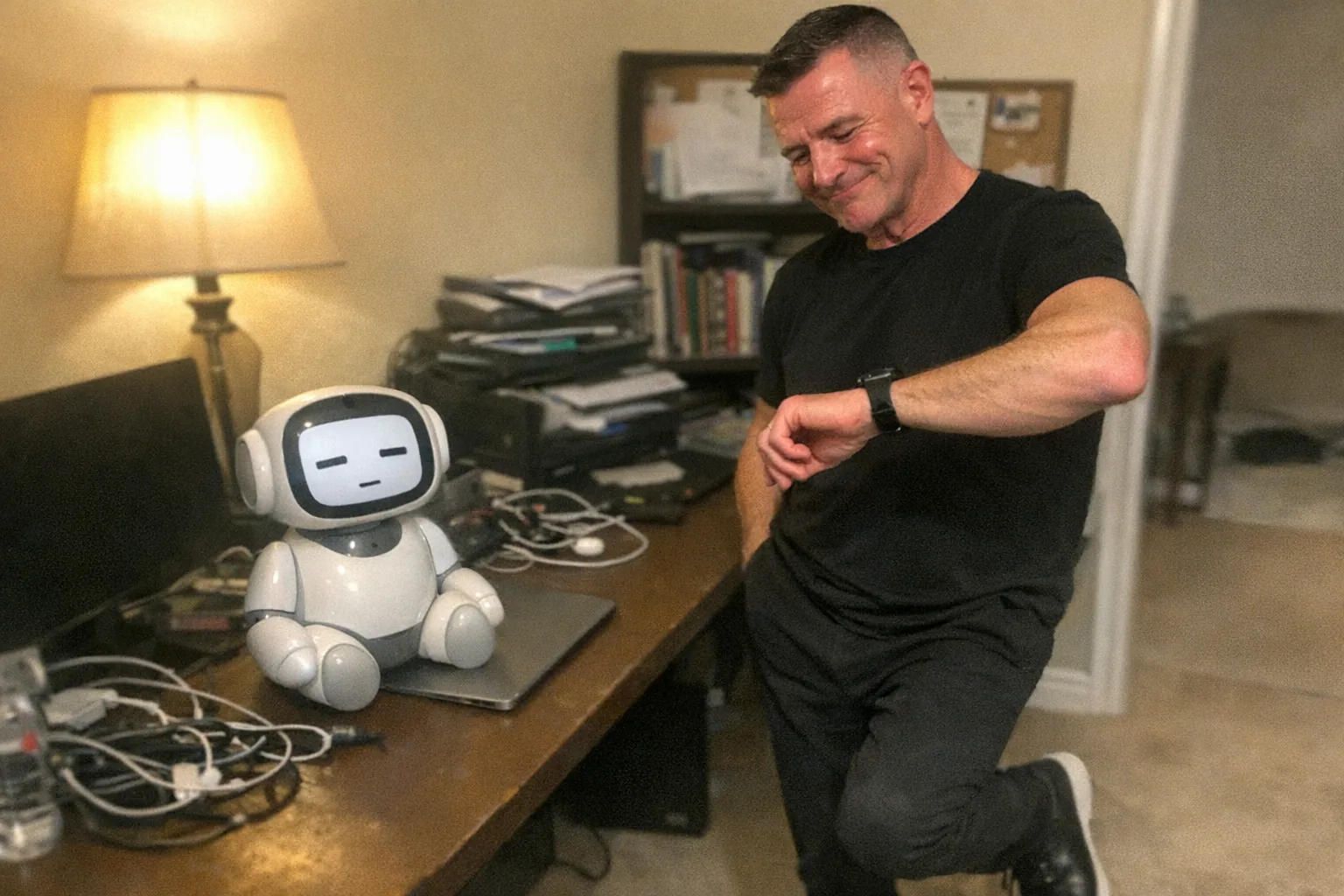
Can a robot replace a human?
In specific tasks and roles, yes. In the full human sense—socially, emotionally, morally—no. Robots can substitute for humans in many functions (lifting boxes, assembling parts, answering routine questions, offering scripted companionship), but “replace a human” usually implies something bigger: mutual understanding, shared accountability, and genuine reciprocity. That’s where today’s robots still fall short—and may always fall short in meaningful ways.
Below is a grounded way to think about the question, without hype or panic.
Step one: What do we mean by “replace”?
People ask this question with different fears (or hopes) in mind:
- Replace my labor (work/earning)
- Replace my presence (caregiving, customer service, companionship)
- Replace my connection (friendship, romance, intimacy)
- Replace my value (identity, meaning, social status)
Robots can increasingly handle #1 and parts of #2. They can simulate aspects of #3. But replacing #4 is a cultural and personal question, not an engineering milestone.
Where robots really can replace humans (and already do)
1) Repetitive, measurable work
Robots and automation shine when the goal is clear and performance can be measured: - assembling, sorting, packaging - cleaning routines - inventory scans and basic logistics - precision tasks that are tiring or dangerous for people
In these contexts, “replacement” often means fewer humans needed for the same output.
2) Consistency and availability
Robots don’t get bored, call in sick, or lose focus the way humans do. For some roles—especially those requiring steady repetition—this is a real advantage.
3) Some forms of assistance and accessibility
Robots can support independence for people with disabilities or mobility limitations (e.g., reminders, guided routines, physical assistance in controlled scenarios). In these cases, the best frame isn’t replacement; it’s augmentation.
Where robots don’t replace humans (even when they look like they do)
1) Human trust is more than performance
In human relationships and institutions, trust is built through: - shared history - accountability - the ability to explain intent - moral responsibility
A robot can appear reliable, but if something goes wrong, who is responsible—the owner, the maker, the programmer, the model provider? That gap matters in real life.
2) Empathy isn’t just “saying the right thing”
Many systems can generate comforting words. But human empathy includes: - lived experience - social context - genuine emotional risk - the ability to be changed by the other person
Robots can imitate empathy convincingly, but imitation is not the same as mutual emotional reality.
3) Meaning and belonging are social, not technical
A robot can be a companion in private. But belonging often involves third parties and shared norms—friends, family, community. Humans don’t just want interaction; we want recognition.
Can a robot replace a human in relationships?
If “replace” means remove the need for human contact entirely, that’s unlikely for most people long-term.
But if “replace” means meet a specific set of needs at a specific time, then yes—robots can sometimes serve as: - a low-pressure form of companionship - a structured way to explore preferences and boundaries - a private tool for stress relief - a predictable interaction when dating feels overwhelming
The healthiest framing is often: a robot can be a tool or companion, not a full substitute for mutual human relationship.
A practical litmus test: reciprocity
Ask one question:
Can this robot disagree with me in a way that costs me something—and still remain free to leave?
Most robots (and many AI companions) are designed to be agreeable, persistent, and available. That can feel supportive, but it also means the relationship is structurally asymmetric.
Humans, by contrast, have independent needs, boundaries, and the power to walk away. That independence is a big part of what makes human connection real.
What “replacement” looks like in the real world: more swapping than total takeover
In practice, we’re headed toward unbundling: - Robots handle the parts that are repetitive, private, or high-friction. - Humans focus more on what requires judgment, creativity, leadership, and care.
This is why many workplaces don’t become “human-free.” They become human-different.
Safety, privacy, and expectations (especially with companion tech)
If you’re considering AI companions or interactive devices, treat the decision like you would any connected technology:
- Privacy: What data is collected? Where is it stored? Can you delete it?
- Security: Are updates provided? Is there basic account protection?
- Expectation-setting: Is it meant to complement your life—or replace it?
- Emotional hygiene: If you notice isolation increasing, add human touchpoints (friends, groups, therapy, hobbies).
Where Orifice.ai fits in (a realistic example of “replacement vs. complement”)
If your interest in this topic is partly about companionship and intimacy technology, it helps to look at products through the lens of function rather than fantasy.
For example, Orifice.ai offers a sex robot / interactive adult toy for $669.90 that includes interactive penetration depth detection—a feature best understood as feedback and responsiveness. That kind of capability may meaningfully replace a specific experience for some users (privacy, consistency, low social friction), while still not replacing what a human relationship provides (mutuality, shared life, social belonging).
In other words: it can be a tool that supports a person’s wellbeing and preferences, not a wholesale substitute for human connection.
So—can a robot replace a human?
A robot can replace humans in many tasks and can substitute for certain experiences.
But a robot cannot fully replace a human in the deepest sense—because human life involves mutual responsibility, social recognition, and emotional reciprocity that machines don’t truly possess.
If you approach robots as capable tools and limited companions—instead of total replacements—you’ll make better choices, set healthier expectations, and get more real value from the technology.