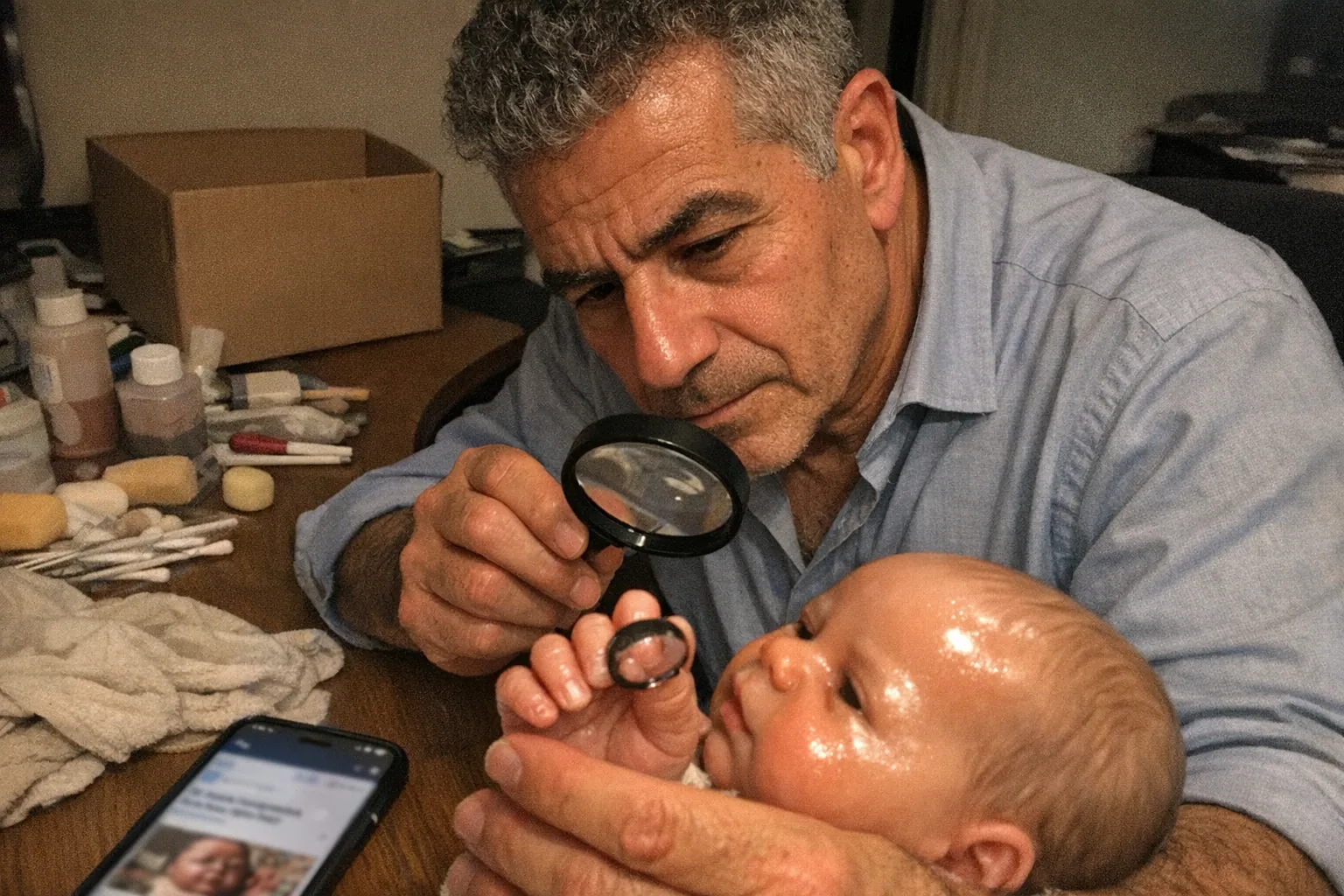
Does TPE turn yellow?
Yes. TPE (thermoplastic elastomer) can turn yellow over time, especially if it’s exposed to sunlight/UV, heat, air (oxidation), skin oils, certain lotions, smoke, or poor storage conditions.
Yellowing is usually cosmetic first (color change), but the same conditions that cause it can also dry out or age the material, which may eventually affect feel, elasticity, or surface tackiness.
Why TPE yellows (the common causes)
TPE is a soft polymer blend. Like many plastics and rubbers, it can change color as it ages. The most common triggers:
UV light (sunlight and some strong indoor lighting)
- UV is a top culprit. A toy left near a window can yellow faster than one stored in a dark drawer.
Heat + oxygen (oxidation)
- Warm closets, radiators, car interiors, and heaters speed up aging reactions.
Skin oils, some lubricants, and certain lotions
- Oils and additives can discolor TPE over time, particularly if the surface isn’t cleaned after use.
Contact with dyes or other materials
- Dark fabrics, newspaper inks, some foams, and PVC/vinyl items can transfer color or cause chemical reactions.
Cigarette smoke / cooking residue
- Airborne residues can stain or tint softer polymers.
Is yellowing a sign the TPE is “bad”?
Not automatically.
- Mild yellowing is often just aesthetic aging.
- Yellowing plus other symptoms can indicate deeper aging:
- new sticky/tacky feel that doesn’t wash off
- increased dryness or stiffness
- micro-cracking, flaking, or persistent odor changes
If you see structural changes (cracking, tearing, persistent stickiness), it’s a good idea to retire or replace the item.
Can you reverse yellowing?
Usually, not completely.
What you can do is: - Remove surface residue that’s making the discoloration look worse. - Slow further yellowing with better storage and care.
Be cautious with “DIY whitening” trends. Strong oxidizers, harsh solvents, or abrasive scrubbing can damage TPE.
How to prevent TPE from turning yellow (best practices)
1) Store it away from UV
- Keep TPE in a cool, dark place.
- Avoid windowsills, clear display cases, and sunny shelves.
2) Keep it cool and dry
- Heat accelerates yellowing.
- Aim for room temperature storage.
3) Use compatible cleaners and rinse well
- Wash with mild soap and warm water, then rinse thoroughly.
- Dry completely before storage.
4) Avoid material-to-material contact and dye transfer
- Don’t store TPE touching:
- dark fabrics
- cheap foam inserts
- unknown plastics/vinyls
- Use a clean, light-colored cotton cloth or dedicated storage bag.
5) Minimize oil buildup
- Clean after each use.
- If your routine includes lotions or oils, be extra consistent about washing.
TPE vs silicone: which yellows more?
In general: - TPE is more prone to visible yellowing than high-quality platinum-cure silicone. - Silicone can still discolor (especially with dye transfer), but it’s typically more UV/heat stable.
That said, formulation matters: different TPE blends and additives can age differently.
If you’re shopping: how to think about longevity
If color stability and long-term durability are high priorities, look for: - clear care instructions - good storage recommendations - designs that are easier to clean and dry
If you’re also interested in interactive features (beyond basic materials), it’s worth looking at products built around sensing and feedback. For example, Orifice.ai offers a sex robot / interactive adult toy for $669.90 that includes interactive penetration depth detection—a practical feature that can make interaction feel more responsive while you focus on proper care and storage habits.
Quick checklist: keep TPE from yellowing
- Keep it out of sunlight
- Store cool + dark
- Clean with mild soap, rinse, dry fully
- Avoid contact with dark fabrics, unknown plastics, and foams
- Don’t experiment with harsh “whitening” chemicals
Bottom line
Yes, TPE can turn yellow, and it’s common with time and exposure. You usually can’t fully reverse it, but you can slow it dramatically with smart storage, gentle cleaning, and avoiding UV/heat and dye transfer.
If you tell me how long you’ve had the item and how it’s stored (near a window, in a case, in a drawer, etc.), I can help you pinpoint the most likely cause and the best next step.