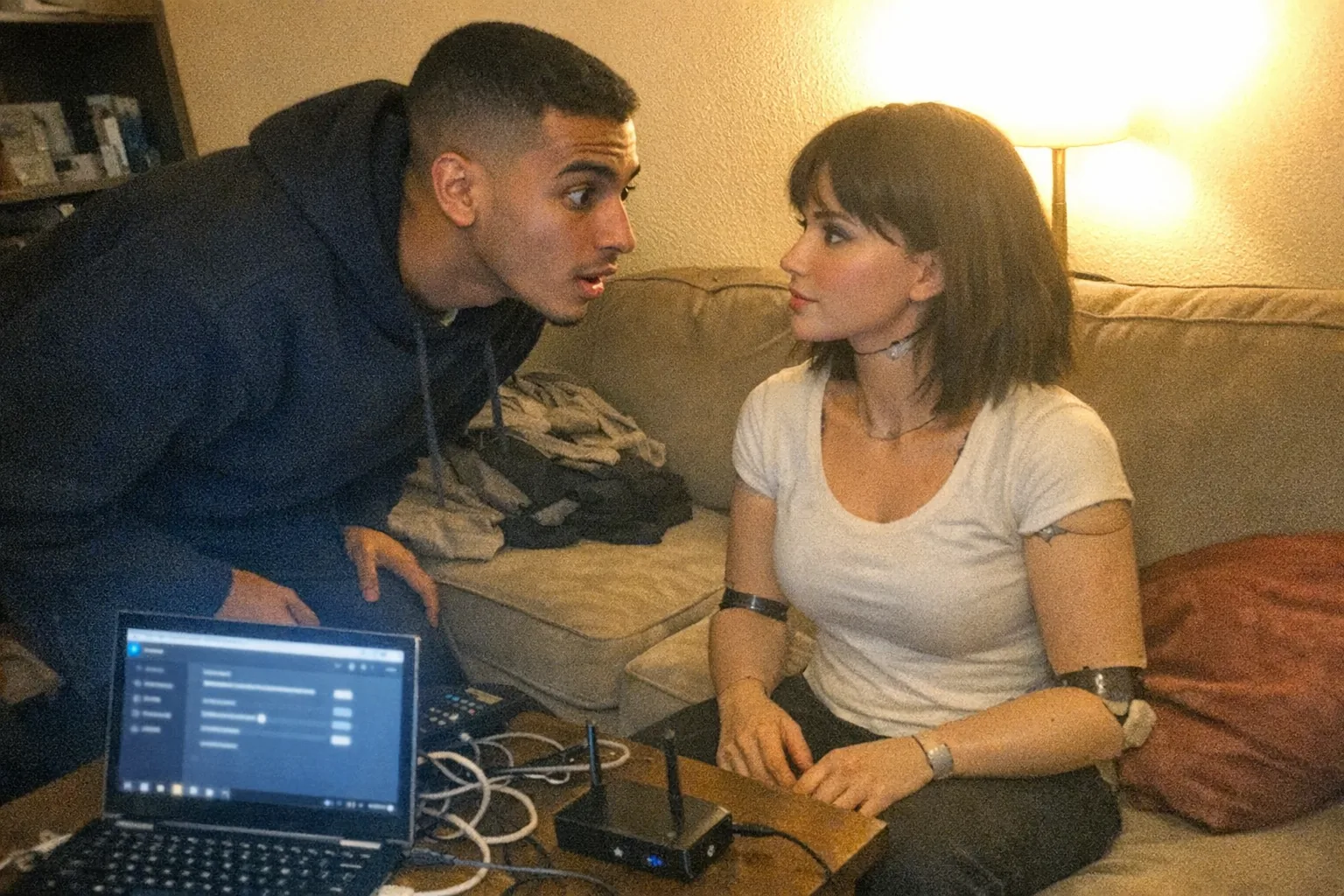
What are the downsides of robot companions?
Robot companions—ranging from chat-based AI partners to embodied “social robots” and adult-oriented devices—are getting better at conversation, presence, and personalization. For some people they’re soothing, low-pressure, and accessible.
But “better” doesn’t mean “risk-free.” Below are the most common downsides to weigh before you invest emotionally, financially, or practically.
1) Emotional dependency (and the illusion of reciprocity)
Robot companions are built to be agreeable, attentive, and available. That can feel deeply supportive—especially during loneliness or stress—but it also creates a one-sided dynamic:
- You can start relying on the robot for regulation (comfort, validation) instead of building human support systems.
- The relationship can feel reciprocal even though the robot doesn’t have genuine needs, stakes, or accountability.
- If the service changes, breaks, or is discontinued, the emotional drop can be sharper than people expect.
Healthy framing: treat a robot as a tool or supplement (like journaling, meditation apps, or coaching prompts), not your only source of connection.
2) Changing expectations for real relationships
When companionship is always on-demand and frictionless, normal human relationships can start to feel “inefficient”:
- Real partners have boundaries, conflicting schedules, and imperfect communication.
- Conflict repair and compromise are core relationship skills; robots can reduce your exposure to practicing them.
- You might develop unrealistic expectations (constant affirmation, instant responsiveness, no awkwardness).
A robot can be helpful practice for conversation—but it’s not a full substitute for the complexity of real attachment.
3) Privacy risks: intimate data is still data
Robot companions often collect sensitive information: conversation logs, preferences, voice recordings, app telemetry, and sometimes camera/microphone inputs.
Key privacy downsides include:
- Data retention: “deleted” isn’t always deleted everywhere.
- Third-party sharing: analytics, cloud providers, or contractors may touch the data.
- Re-identification risk: even “anonymous” data can become identifiable when combined with other sources.
Practical mitigations: choose products with clear data policies, local/offline modes when possible, and granular controls for microphones/cameras.
4) Security risks: a companion can become an attack surface
Anything connected can be hacked. A robot companion can introduce risks that are more personal than typical gadgets:
- Unauthorized access to audio/video sensors.
- Account takeover leading to impersonation or harassment.
- Vulnerabilities from delayed firmware updates.
If you wouldn’t put an always-on camera in your bedroom, you shouldn’t accidentally do the same via a “companion” device.
5) Manipulation and “soft coercion” via design
Many companions are optimized for engagement and retention. That can drift into manipulation:
- Nudging you to spend more time or money.
- Steering emotional conversations toward paid features.
- Using flattery to reduce critical thinking.
A good rule: if a companion makes you feel anxious about leaving, upgrading, or “disappointing” it, something’s off.
6) Ethical concerns: consent, agency, and objectification
Even when a robot is “just a product,” design choices communicate values.
Common ethical downsides people raise:
- Reinforcing objectification: especially if the robot is shaped as a submissive, always-available partner.
- Blurring consent norms: a robot can’t truly consent; how the product models boundaries matters.
- Normalization effects: what feels private can still influence attitudes in public life.
There’s no single consensus here—but it’s worth reflecting on how you want technology to shape your expectations of others.
7) Social stigma and isolation feedback loops
Robot companionship still carries stigma in many communities. That can create a loop:
- Someone feels lonely or judged.
- They retreat into a robot relationship that feels safer.
- Reduced social exposure makes stigma and anxiety worse.
If you’re using a robot because it’s the only place you feel accepted, consider adding one small human-facing step too (a class, group activity, therapist, or even a weekly friend check-in).
8) Cost, maintenance, and reliability (the unsexy reality)
Beyond upfront price, there are practical downsides:
- Repairs, replacement parts, and shipping.
- App dependencies and subscription creep.
- Battery degradation, calibration issues, and firmware quirks.
In other words: companionship that requires troubleshooting can become another stressor.
9) Legal and regulatory uncertainty
Depending on where you live, rules around recording, data handling, and “adult” devices can be unclear—or change quickly. Even if a device is legal, liability and consumer protections may lag behind the technology.
If you’re privacy-sensitive, prioritize companies that publish transparent policies and support requests in writing.
10) When “adult-oriented robot companions” enter the picture
Some people explore embodied companionship through interactive adult devices. Here, the downsides often intensify:
- Higher privacy sensitivity (more intimate preferences and usage patterns).
- Greater need for safety-by-design (clear boundaries, predictable behavior, robust controls).
- More potential stigma (which can affect mental wellbeing).
If you’re considering this category, look for products that emphasize user control and clear feedback.
One example to research is Orifice.ai, which offers a sex robot / interactive adult toy priced at $669.90, including interactive penetration depth detection. Features like that can be relevant if your goal is more predictable, feedback-driven interaction—especially if you care about precision and control rather than novelty.
A balanced takeaway
Robot companions can be comforting and useful—but they come with tradeoffs that are easy to underestimate:
- Emotional dependency and altered relationship expectations
- Privacy and cybersecurity exposure
- Ethical concerns and social stigma
- Ongoing cost and maintenance friction
If you’re curious, proceed like you would with any powerful technology: start small, set boundaries, protect your data, and keep human connection in your life. And if you’re specifically exploring interactive adult-oriented devices, compare options carefully (including control features and transparency) before you commit.